Imagination beats AI
The Value of Our Work and the Future of Agencies
The industry is changing, and most business models are struggling to keep up. What is the essence of creative work, and how is it shifting as AI, platform dynamics, and new value creation models reshape the playing field? How do industry leaders envision positioning themselves for the future? In his keynote at ADC Festival 2026, Johannes Plass provided some answers.
“The Value of Creative Work Lies in Human Imagination!”
A brand is not a logo.
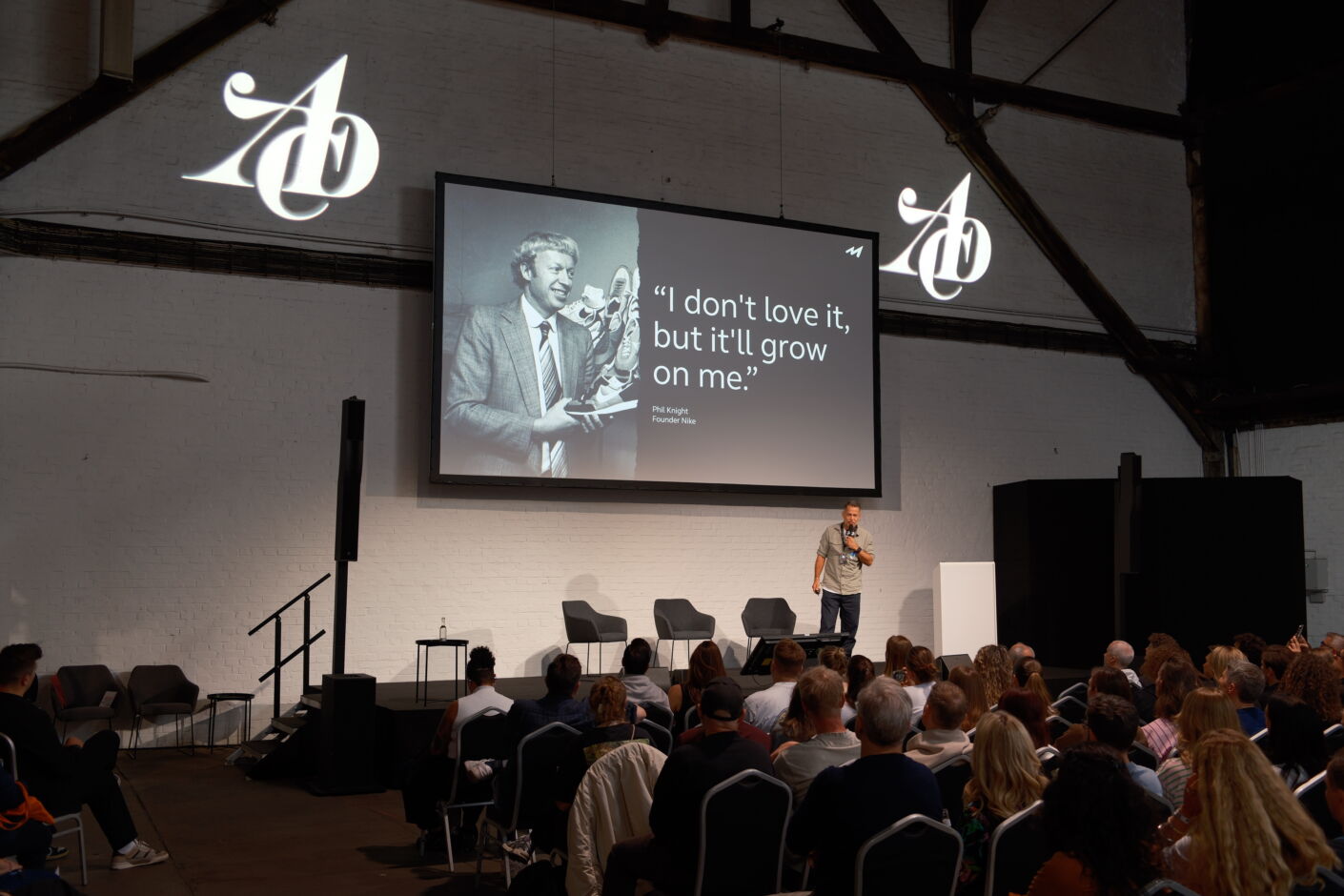
$35. That’s how much Nike paid Carolyn Davidson, a graphic design student from Portland, Oregon, in 1971. At $17.50 an hour, she spent just two hours creating what would become the Swoosh. Today, Interbrand values the Nike brand at more than $32 billion.
A brand is a construct of perception. It triggers ideas and associations—about price, quality, status, and even about ourselves. Anyone who wears Nike communicates something by doing so. No design session alone could have created this value. It began with the imagination of entrepreneur Phil Knight and was later shaped and amplified by an entire brand organization.
The New Reserve Currency: Imagination
The value that would emerge from Carolyn Davidson’s Swosh was underestimated. That is precisely what remains at the heart of creative work to this day: the ability to imagine a future that does not yet exist.
AI cannot replace this ability. On the contrary: the more it takes over the execution, the more valuable imagination becomes. For agencies, this does not spell the end of their business model, but rather presents an opportunity for realignment.
The Creative's Triad Model
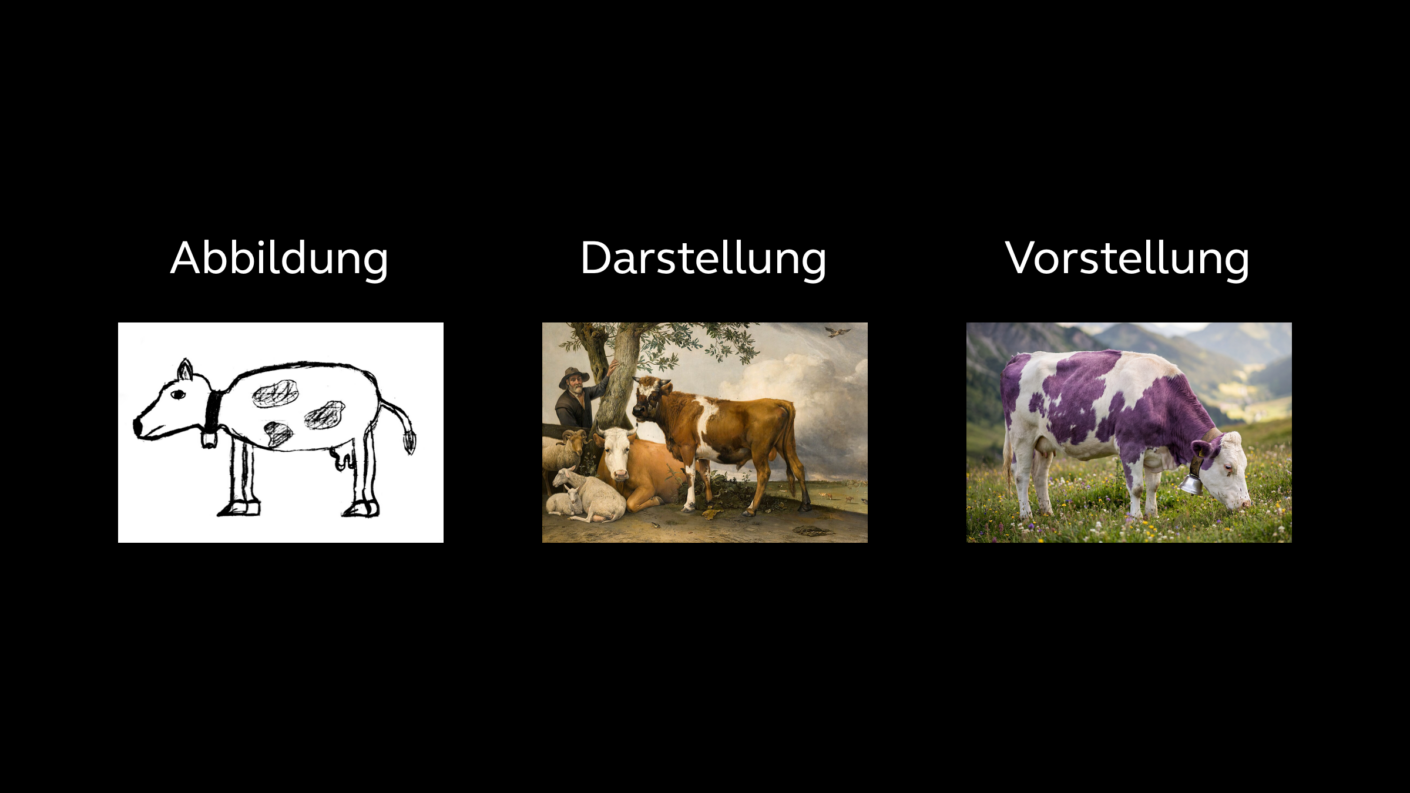
Every creative achievement rests on three pillars:
Craft is the execution layer: drawing, rendering, typesetting, photography. It is the visible, technical aspect of the work. It can be learned.
Design is the structural layer: composition, hierarchy, color, rhythm. It requires judgment and can be taught.
Imagination is the conceptual layer: the idea, the narrative, the context, the vision. It is the only element that cannot simply be replicated.
In the age of generative AI, machines are increasingly able to master the first two layers. What remains is the third: imagination.
From the Value of Ideas to the Logic of Pricing
In the past, the creative industry’s business model was based on the value of ideas: in addition to design fees, compensation was paid for usage rights and reach. The underlying assumption was that creative work should share in the value it helped generate.
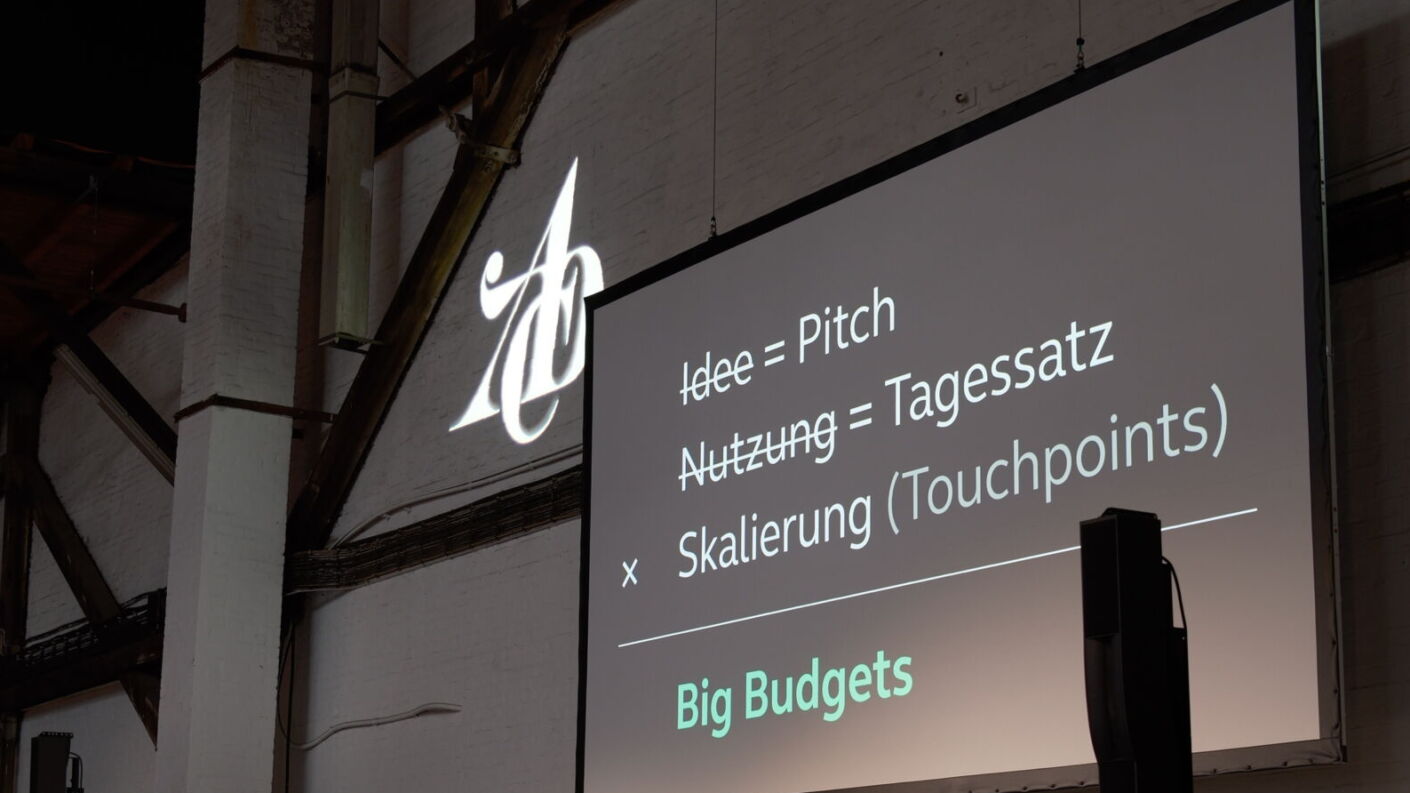
With the rise of desktop publishing and the platform economy, this model has gradually disappeared. Today, ideas are often given away for free during pitches, while usage rights are bundled into day rates. For a long time, the most profitable source of revenue was adaptation, variation, and scalability—precisely the kind of work that is now being automated by AI. As day rates come under pressure and pitches remain unpaid, the traditional business model of the creative industry is increasingly eroding.
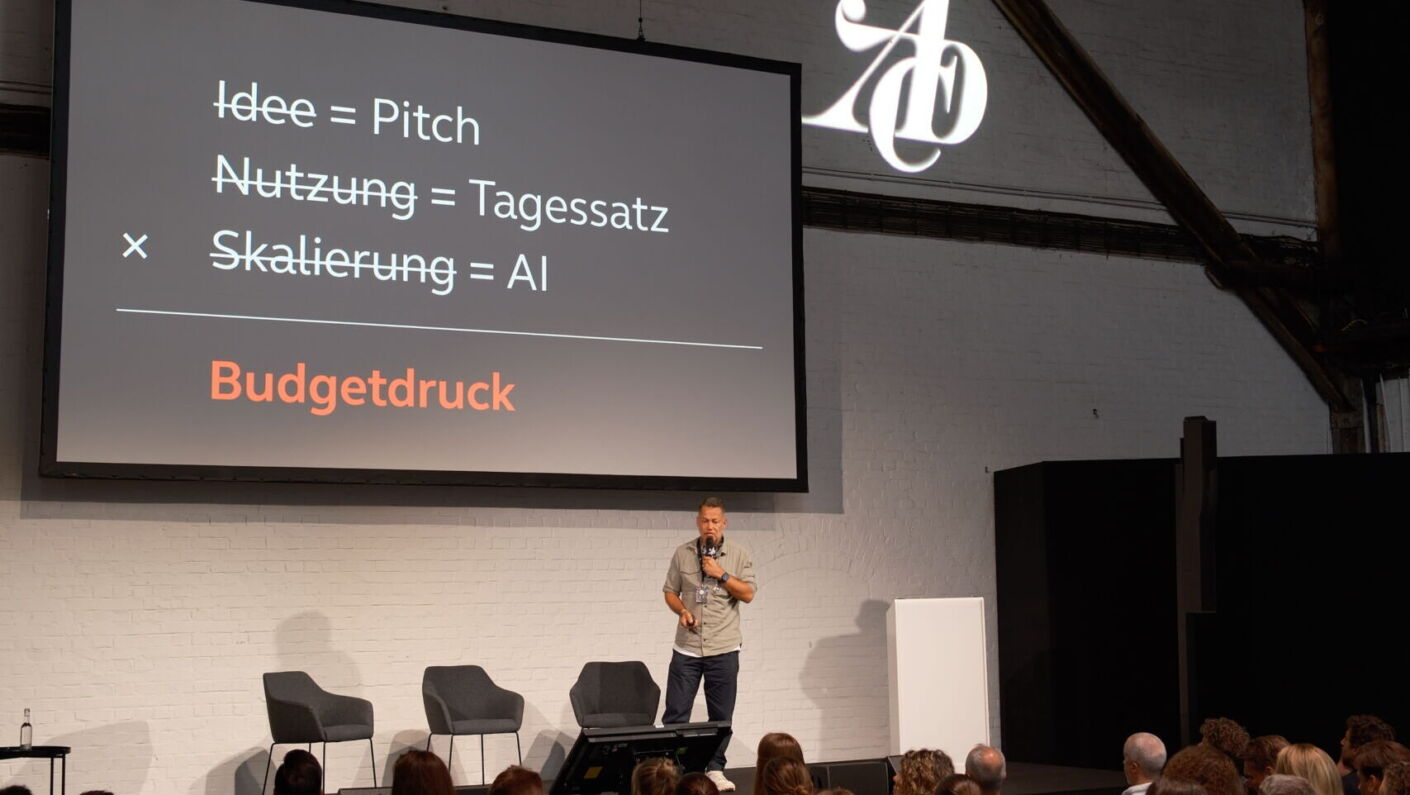
The industry is undergoing a major transformation
Leading figures in the communications industry have reached a similar conclusion.
1. System logic: Matthias Schrader (Code/Crash) sees the future belonging to those who build, control, and evaluate systems. AI handles execution, while humans provide judgment and imagination.
2. The AI infrastructure strategy: Florian Haller has consistently positioned Serviceplan around AI through the “House of AI” and the Sokosumi platform, with the goal of significantly increasing team productivity.
3. The transformation toward value creation: Mark Read has repositioned WPP—shifting away from traditional communications toward transformation and growth. The agency is evolving into a strategic value-creation partner.
The job profile of the future: the tech-enabled expert. Technical expertise and AI fluency combine with the ability to understand a client’s future more clearly than the client does.
The Business Model of the Future
For agencies, this means fundamentally redefining their identity. Technological expertise must become a core competency for all employees—not as an additional qualification, but as an integral part of the creative craft. At the same time, it is no longer sufficient to think exclusively in terms of communication disciplines. What is needed instead is a contribution to holistic brand management and business development. Creatives are particularly well suited to this role, as they naturally connect complex relationships and think across disciplinary boundaries.
The more agencies help shape their clients’ futures, develop growth strategies, and inform strategic decisions, the more plausible a return to models becomes in which they participate in the resulting value creation. In this context, the principle of usage rights could regain relevance in a new form.
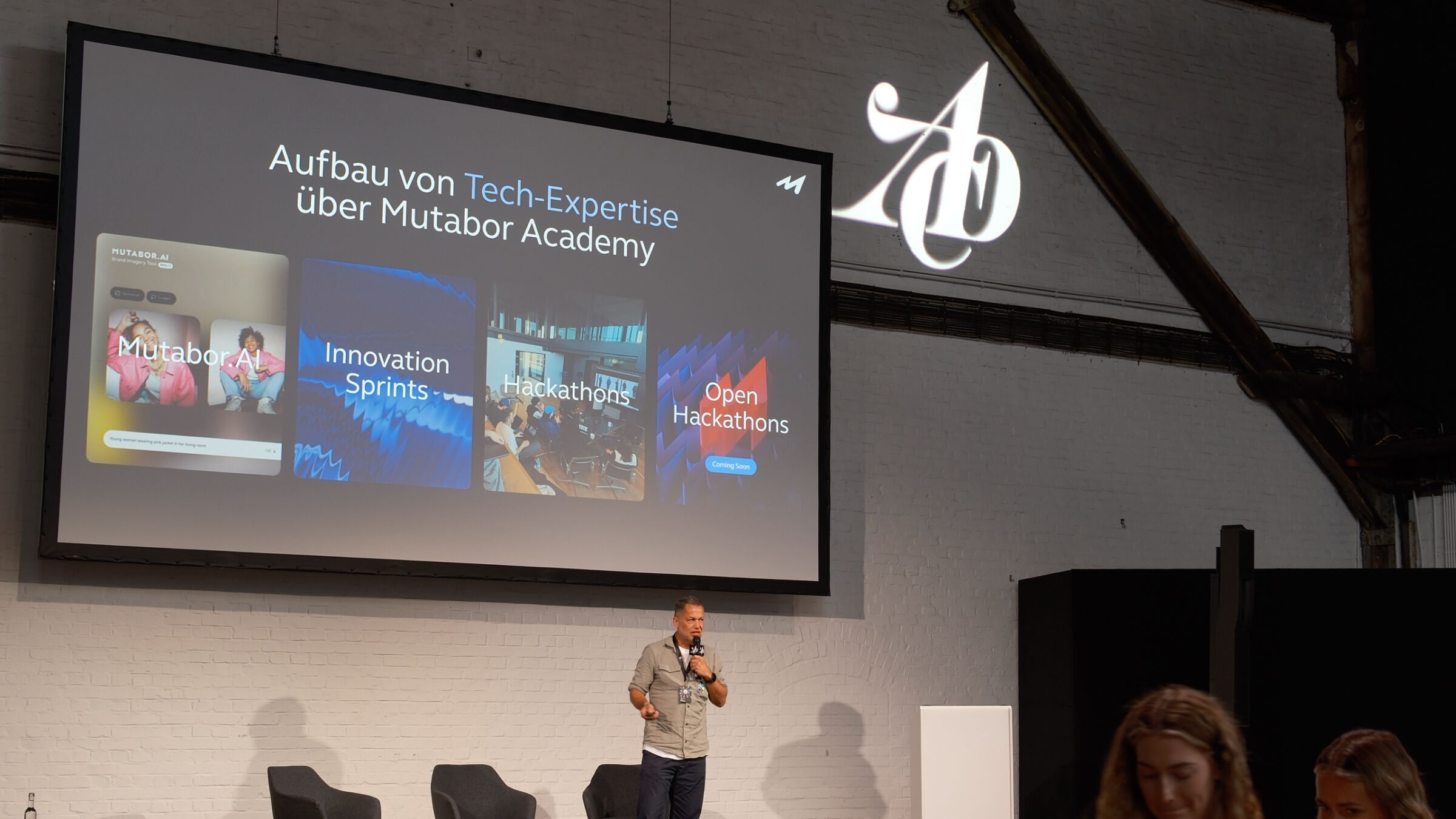
Die Antwort von Mutabor: Fach- und AI-Kompetenz als Kombi
Uns reicht es nicht, AI-Tools zu beherrschen. Es reicht auch nicht, gute Ideen zu haben. Was zählt, ist die Kombination: tiefes inhaltliches Verständnis für Märkte, Marken und Menschen kombiniert mit der Fähigkeit, AI gezielt und souverän einzusetzen. Mutabor baut genau diese Kombination systematisch auf: mit der Mutabor Academy, Innovation Sprints, Hackathons und eigenen Tools wie Mutabor.AI, einem Brand Imagery Tool, das AI-Technologie direkt in den kreativen Markenprozess integriert.